
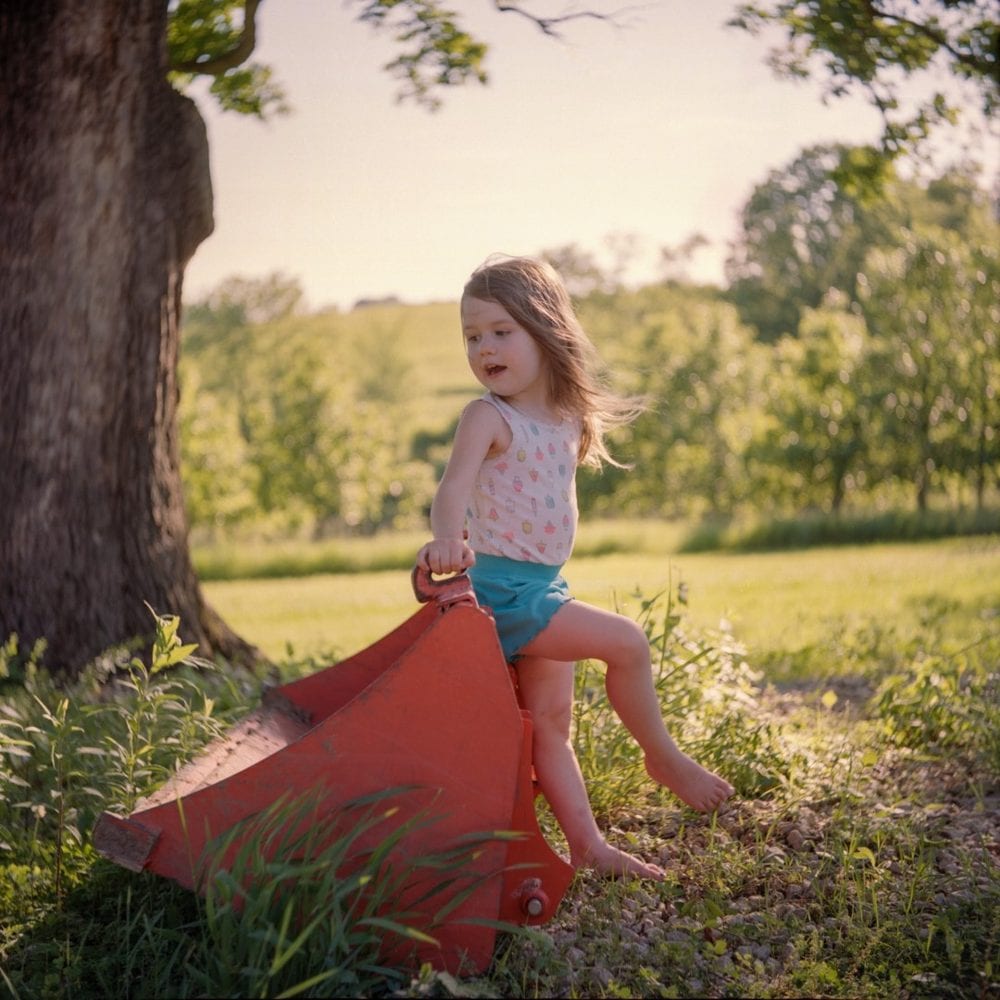
Styling for Film Photography
Film interprets color and texture its own way. Dressing for it makes the difference.
Film Doesn't Just Record Light — It Interprets It
Digital cameras capture what's there. Film transforms it. The chemical process creates depth, saturation, and a quality that's immediately recognizable — even if you can't quite put your finger on why.
Film has a soul that digital lacks. It's not nostalgia. It's chemistry, physics, and a century of photographic refinement baked into every frame.
Understanding how film sees the world helps you dress for it, style for it, and look absolutely incredible in it.
Why Film Can't Be Fully Replicated
You can apply a LUT (Look-Up Table) to a digital photo to mimic film's color. But you can't replicate film's spectral sensitivity curves — the way different color layers respond to light at different wavelengths.
Film builds color in layers. Digital captures it in pixels. The difference is fundamental.
How Film Sees Color: The Science Made Simple
Spectral Sensitivity: Film's Secret Weapon
Color film has three light-sensitive layers: one for cyan, one for magenta, one for yellow. Each layer responds differently to different wavelengths of light.
Think of it like three musicians playing the same song. Each interprets it slightly differently, and together they create harmony that's richer than any one could produce alone.
This is why film renders skin tones with such beautiful warmth — the layers work together to create dimensional color that feels alive.
Digital cameras? They capture red, green, and blue in a grid pattern, then reconstruct the image mathematically. Clinical. Accurate. But not magical.
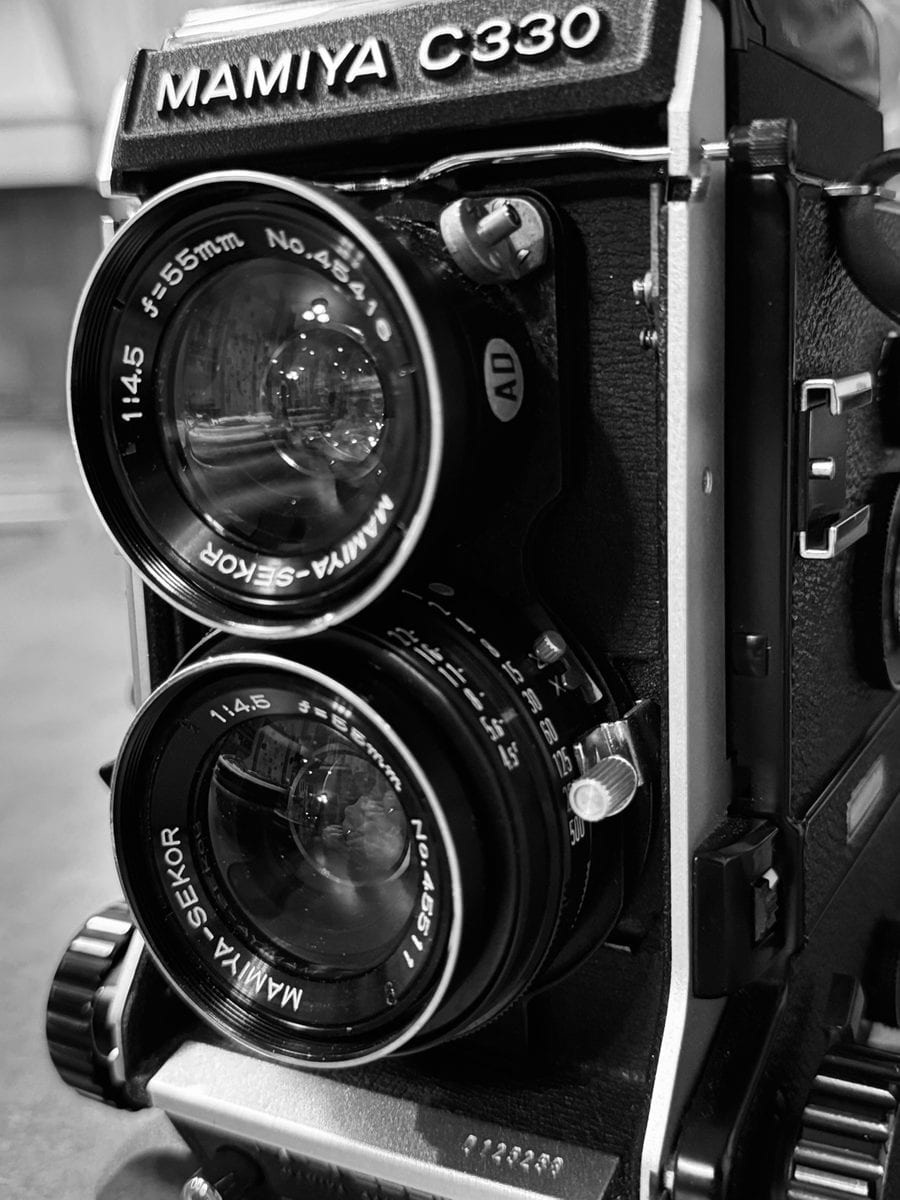
Film's chemical layers create depth digital can't replicate
Color Response Curves: Why Film "Pops"
Each film stock has unique color response curves — how it renders different colors at different exposure levels.
What this means in practice:
- Highlights roll off gracefully. Overexposed areas don't blow out harshly — they glow.
- Shadows hold detail. Underexposed areas retain texture and depth.
- Colors intensify naturally. Film adds saturation as a byproduct of chemistry, not post-processing.
- Skin tones render beautifully. Film is biased toward warm, flattering skin reproduction.
You can apply a LUT to digital to mimic the look of these curves. But you can't replicate how film actually responds to light in the moment. The look is baked in chemically, not applied afterward.
Film Grain: Texture, Not Noise
Film grain is organic and dimensional. Each grain is a silver halide crystal that captured light. They're three-dimensional, suspended in layers, creating depth.
Digital noise? It's random pixels the sensor misread. Flat. Ugly. Film grain is beautiful because it's real — actual physical structure in the image.
This is why film, even grainy film, looks better than noisy digital. The grain tells a story. The noise just looks like a mistake.
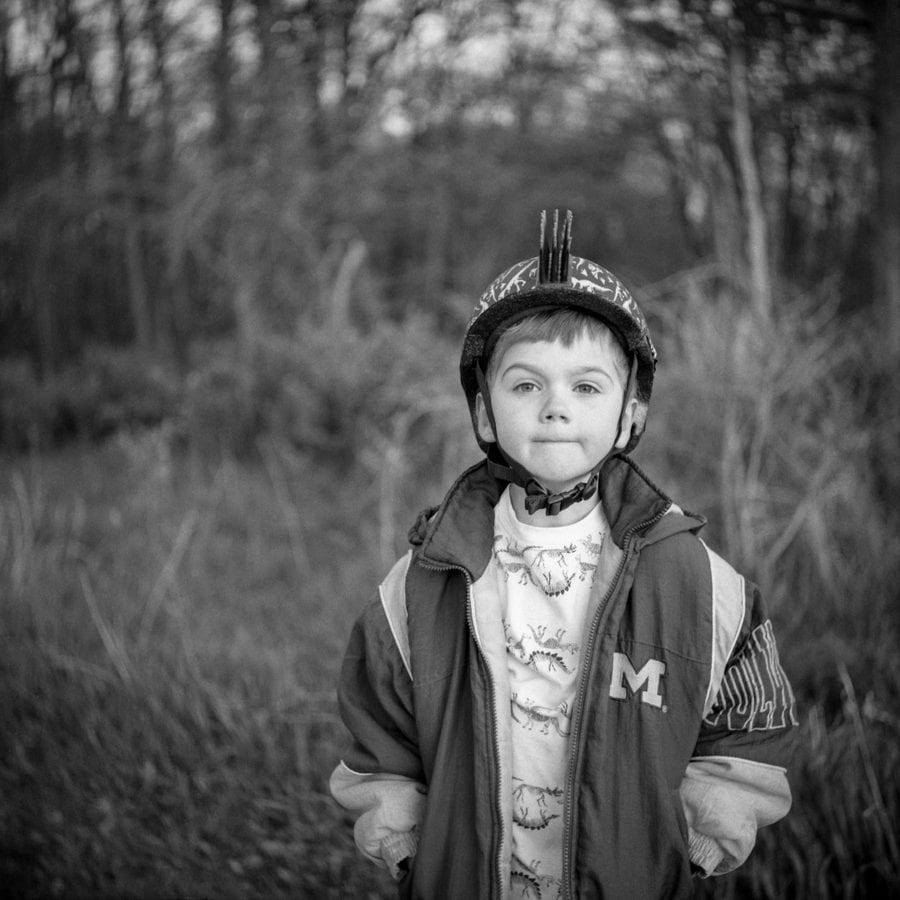
Film grain is three-dimensional texture, not digital noise
Popular Film Stocks & What They Do Best
Different films have different personalities. Each renders color, contrast, and grain differently. Here's what we shoot and why.
Kodak Portra 400
The Portrait Master
Portraits, families, skin tones, weddings
Warm, flattering skin tones. Muted pastels. Gentle saturation.
Fine, smooth grain. Professional look.
Engineered specifically for beautiful skin tone rendering. The gold standard for portrait work. Forgiving exposure latitude.
Earth tones, muted colors, pastels. Portra makes warm colors glow and keeps cool colors soft.
Kodak Ektar 100
The Vivid Landscape Film
Landscapes, architecture, bold colors, product photography
Punchy, saturated colors. High contrast. Vibrant greens and blues.
Extremely fine — finest grain of any color negative film.
Incredible sharpness and color saturation. Makes colors pop like no other film. Less forgiving on skin tones (can be too saturated).
Bold, saturated colors work great. Avoid if you want soft, subtle skin tones.
Kodak Tri-X 400 (B&W)
The Classic Black & White
Documentary, street photography, timeless portraits, artistic work
Rich blacks, bright highlights, excellent mid-tone separation.
Visible, beautiful grain structure. Classic film look.
Been around since 1954. Legendary. Responds beautifully to different developers and toning (like selenium for deeper blacks and warmer tones).
Texture and contrast matter more than color. Think about tonal separation — lights vs darks.
Selenium Toning for Black & White
After developing black and white film, we can tone prints with selenium. This chemical process:
- Deepens blacks — richer, more dimensional shadows
- Adds warmth — subtle reddish-brown cast in highlights
- Increases contrast — more punch and separation
- Improves archival stability — prints last longer
The longer the toning (measured in minutes), the more pronounced the effect. It's alchemy — transforming silver into art.
Black & White (Grayscale) Photography
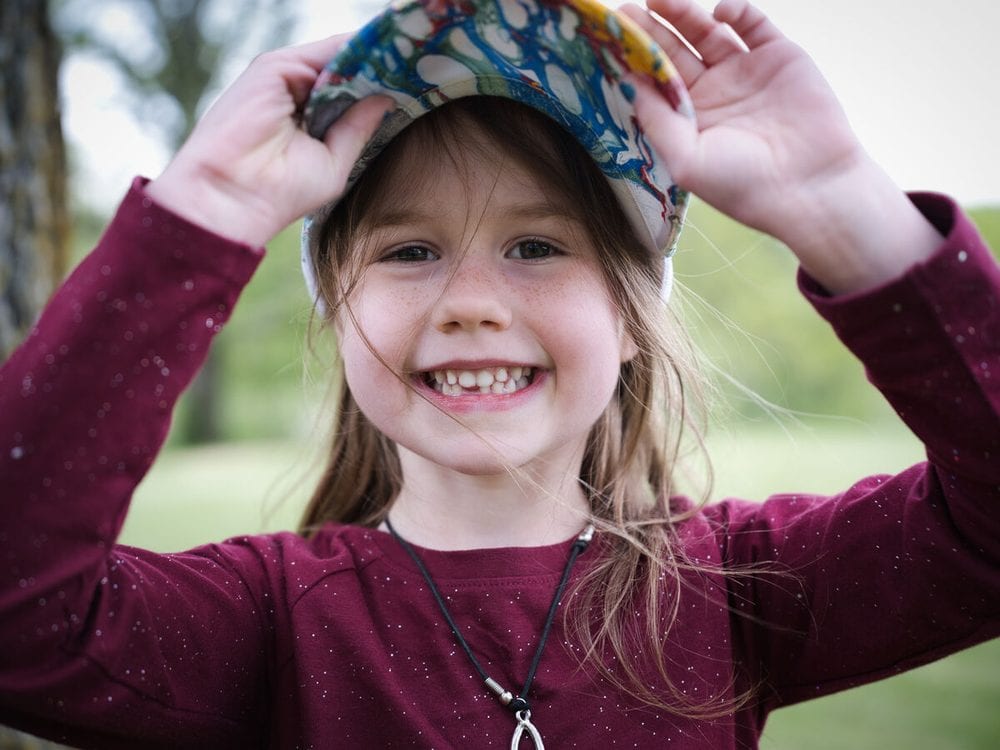
Why Black & White Is Timeless
Removing color forces you to see differently. Suddenly, texture, light, shadow, and form become everything.
Black and white photography isn't just "color with the saturation removed." It's a completely different medium with its own rules, its own aesthetic, its own soul.
Film black and white? It's in a league of its own. The tonal range, the grain structure, the way it renders light — digital can approximate it, but it can't replicate the organic feel.
Styling for Black & White Film
Without color, you're working purely with:
- Tonal contrast — light vs. dark
- Texture — fabric weave, skin detail
- Pattern — becomes more prominent
- Form — shapes and silhouettes
- Light — how it sculpts features
Color becomes irrelevant. A red shirt and green pants might clash in color, but if they're similar tones in grayscale, they'll look identical.
The Grayscale Translation Problem
Here's what people don't realize: colors don't translate to grayscale the way you'd expect.
Examples:
- Red and green can look nearly identical in B&W (same mid-tone gray)
- Yellow becomes very light gray (brighter than you'd think)
- Blue becomes darker gray than expected
- Orange and blue create excellent tonal contrast
This is why we recommend bringing color photos to your B&W session — we can see how they'll translate tonally before shooting.
Styling for Film: What to Wear
Film picks up EVERYTHING. Every detail. Every texture. Every wrinkle. This is both the challenge and the magic.

Film Captures Every Detail
The good news: Film resolution is incredible. Hair texture, fabric weave, skin detail — everything is rendered with stunning clarity and dimension.
The challenge: This means preparation matters MORE, not less.
- Wrinkled clothes? Film will show every crease.
- Stray hairs? They'll be visible.
- Lint or pet hair? It'll show up.
- Makeup imperfections? Film doesn't hide them.
But here's the beautiful part: when you DO prepare properly, film rewards you with images that are so sharp, so detailed, so rich that they take your breath away.
Film loves texture — make sure yours is intentional
✓ Colors for Color Film
- Earth tones: Browns, tans, creams, rust
- Muted colors: Sage green, dusty blue, mauve
- Pastels: Soft pinks, light blues, pale yellows
- Deep jewel tones: Burgundy, forest green, navy (in moderation)
- Natural fabrics: Cotton, linen, wool — texture photographs beautifully
✗ Colors to Avoid on Film
- Neon colors: Film oversaturates them — they glow unnaturally
- Pure white: Can blow out highlights (cream is better)
- Pure black: Loses detail in shadows
- Overly bright patterns: Compete with faces
- Reflective fabrics: Sequins, metallics, shiny materials create hotspots
Film Preparation Checklist
Before Your Session
- Iron everything. Film shows wrinkles mercilessly.
- Lint roll thoroughly. Check in bright light — film will catch what you miss.
- Check for loose threads. Trim them before shooting.
- Test outfits in natural light. See how colors look without artificial lighting.
- Bring a steamer. Quick touch-ups between shots.
- Hair and makeup done professionally. Film rewards attention to detail.
Understanding Film's Limits
- You can't "fix it in post." What film captures is what you get.
- Exposure matters more. Film has latitude, but it's not infinite.
- Lighting is everything. Film loves natural light and hates harsh flash.
- One shot = one frame. No burst mode, no chimp the LCD. Deliberate and intentional.
- Development takes time. Results come days later, not instantly.
Why this matters: These "limitations" force intentionality. Every frame counts. Every decision matters. The result? Images with soul.
Why Film Can't Be Fully Replicated Digitally
The LUT Limitation
A LUT (Look-Up Table) can mimic film's color rendering — applying similar color curves to digital files. Many photographers do this to get a "film look."
What LUTs CAN do:
- Approximate film's color palette
- Mimic highlight roll-off
- Simulate color response curves
- Add "vintage" tones
What LUTs CAN'T do:
- Replicate film's spectral sensitivity (how it responds to different light wavelengths)
- Create three-dimensional grain structure
- Capture the organic randomness of chemical processes
- Build color in layers the way film does

Chemistry creates what algorithms can only approximate
The Fundamental Difference
Film is an analog medium. It records light as a continuous gradient of silver halide crystals responding to photons. Infinite tonal gradation within its latitude.
Digital is discrete. It samples light in a grid, assigns numeric values, then reconstructs the image mathematically. No matter how high the resolution, it's still an approximation.
Think of it like the difference between vinyl records and MP3s. You can make a digital file that sounds like vinyl. But it's not the same. The warmth, the imperfections, the organic quality — that's inherent to the analog medium.
Film has soul. Digital has precision. Both are valid. But they're fundamentally different.
Final Pro Tips for Film Sessions
Embrace the Process
Film photography is slower, more deliberate, more intentional. This isn't a limitation — it's the point.
You can't review every shot immediately. You can't take 500 frames and pick the best. Each click of the shutter matters.
This creates better photos. You're more present. More thoughtful. More connected to the moment.
Trust the Film
Film stocks like Portra have been refined over decades. They're engineered to make people look beautiful. The color science is baked in.
When you see your developed film, you'll understand. The depth, the color, the grain — it's magic that no digital workflow can quite capture.
Questions About Film Photography?
Want to know which film stock is right for your session? Curious about black & white vs. color? Wondering how to prepare?
We're here to help. Film is our passion, and we love talking about it.
Ready to Experience Film Photography?
Timeless images with depth and soul that digital can't replicate
Book Your Film Session